4 minute read
When metal irritates skin
An itchy ring finger does not identify an allergy. Check the cause, the exact alloy and the finish before choosing a replacement.

An itchy finger has more than one possible cause
A rash beneath a wedding ring can involve irritation or an allergy. The British Association of Dermatologists distinguishes irritant contact dermatitis, caused by exposure to irritants such as detergents, from an immune reaction to a particular substance. Nickel and cobalt in jewellery are possible allergens; the position of a rash cannot tell you which substance is responsible.
The American Academy of Dermatology also points out that soap and water trapped under a ring can irritate skin. Remove the ring before washing and dry your hands thoroughly before putting it back on. If the ring is causing a rash, stop wearing it and seek advice if the rash persists or returns. Buying a different metal before understanding the cause may leave the problem unresolved.
White gold depends on the alloy beneath the plating
White gold is a mixture. GIA describes alloys made with nickel or palladium, alongside other metals. The words white gold do not establish whether a particular ring contains nickel. Ask for the maker's specification for the exact design, including any separate setting or inlay.
Rhodium plating is often used to give white gold its surface colour. It can wear with use, exposing the underlying alloy; there is no single replating timetable for every ring. A change in colour is a reason to ask a jeweller to inspect the finish, not evidence of what caused a skin reaction. If you have a confirmed nickel allergy, GIA advises avoiding white gold alloyed with nickel rather than relying on its surface plating.
What the nickel release limit tells you
For England, Scotland and Wales, the Chartered Trading Standards Institute's Business Companion guidance explains the UK REACH restriction: articles in direct and prolonged skin contact must not release more than 0.5 micrograms of nickel per square centimetre per week. This measures nickel released from the article, not the percentage of nickel in its alloy.
The guidance also describes a minimum two-year normal-use requirement for qualifying coatings. That is a compliance requirement, not a promise that a ring's plating lasts exactly two years. Ask the supplier what evidence supports its nickel claim. A compliant release test and a declaration that an alloy contains no nickel answer different questions; neither identifies the cause of your rash.
Choose the whole ring, not a reassuring label
Do not treat hypoallergenic as a personal guarantee. A titanium band, a platinum band and a ring with several metals need their own specifications. Ask what touches the finger, whether there are coatings or inlays, and which alloy is used for each part. An implant reference or a metal name alone does not establish that a finished ring suits your skin.
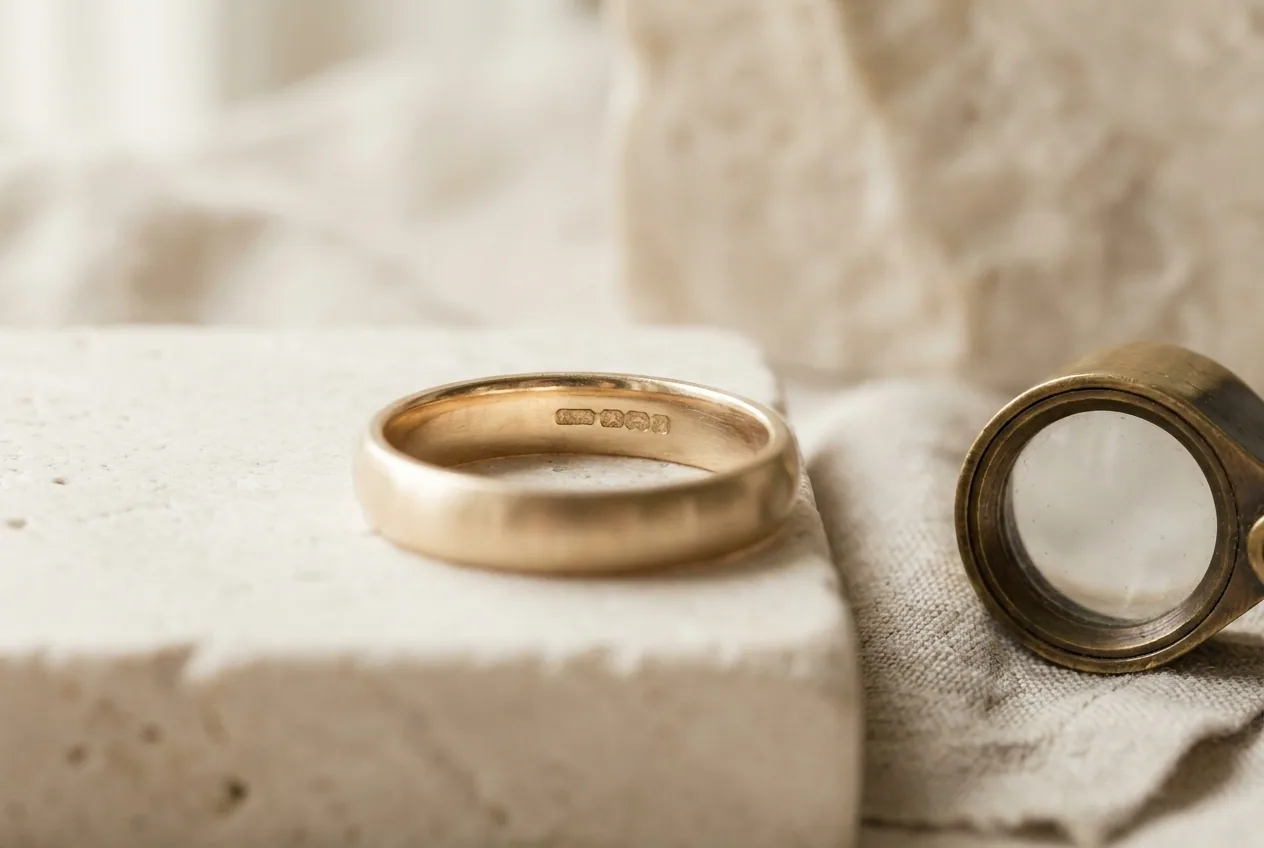
A 950 platinum mark describes 95% platinum; it does not name the remaining alloying ingredients. Gold fineness likewise describes the gold proportion, not a complete recipe. Use the hallmark decoder to understand the mark, then ask about the composition. A higher precious-metal percentage is not a substitute for checking a known allergen.
Once the material requirements are clear, use the metal chooser for the practical comparison and the material links below to explore ring designs. For a Trothe ring, contact us with the product name and the alloy information you need before ordering. A product shortlist should follow those requirements; a comparison tool cannot diagnose an allergy.
Get useful information before committing
If you do not know what is causing the reaction, speak to your GP or a dermatologist. Specialist patch testing can investigate contact allergy and help identify substances to avoid. A reaction to costume jewellery alone is not a diagnosis of nickel allergy.
The British Association of Dermatologists recommends bringing relevant products and ingredient packaging to a patch-test appointment as directed by the clinic. Keep any ring specifications and a note of when the symptoms occur for the discussion. Follow the clinician's advice about suitable materials, then obtain the maker's answers in writing before buying. Check the exact design's return and alteration terms too, especially before adding engraving.
Mentioned: titanium, platinum 950, palladium 950, 18ct gold.